מקרה בו הוחלפו שיניים חסרות בגשר מעוגן על שתלים באותו יום. התוצאה: חיוך מלא ותפקוד מיידי.
העמסה מיידית בוצעה רק לאחר וידוא יציבות ראשונית של השתלים ובחירת עיגון אופטימלי. השיקום הזמני אפשר למטופל לחזור לשגרה כבר באותו ערב.
לאחר תקופת קליטה הוחלף השיקום הזמני בכתרים קבועים בעלי מראה טבעי ועמידות גבוהה.
תיעוד מקרה של שתלים דנטליים עם תוצאה אסתטית מדויקת. המטופל חזר ללעוס בנוחות ולחייך בביטחון מלא.
בשלב התכנון בוצעו צילומי CBCT וסריקה תוך־לסתית כדי להתאים את מיקום השתלים לגובה ולרוחב העצם. כך נמנעו הפתעות במהלך הניתוח.
בתום השיקום הושגה התאמה מדויקת של הגוון, הצורה וקו החיוך — וההבדל בין ה״לפני״ ל״אחרי״ ניכר גם בתפקוד וגם באסתטיקה.
סיפור מטופל שעבר שיקום פה מלא וקיבל חיוך טבעי, יציב ופונקציונלי. התוצאה משלבת אסתטיקה מדויקת עם בריאות לטווח ארוך.
תהליך הטיפול כלל אבחון מקיף, תכנון דיגיטלי ושלבים מדורגים עד להתאמת השיקום הסופי. המטופל דיווח על שיפור משמעותי בלעיסה ובביטחון העצמי כבר בשבועות הראשונים.
מעקב קליני הראה יציבות של השתלים והחניכיים, לצד מראה חיוך הרמוני שמשתלב עם תווי הפנים.
Panoramic x-ray vs. dental CT scan – what are the differences, and which is better?
The first time you encounter the dilemma of a panoramic x-ray versus a CT scan will be when you arrive for a consult regarding a dental implant.
It is most likely that after the initial examination, the dentist has sent you for a dental x-ray, in order to better understand your condition.
So what exactly is the difference between a panoramic x-ray and a CT scan, and when is it better to have one rather than the other?
A panoramic x-ray
This is effectively an ordinary x-ray, with a single difference – it provides a broad picture of the teeth by merging several different images.
In an ordinary x-ray, the technician takes an image of the mouth or another area at a different angle each time. The panoramic x-ray shows the full picture of all parts of the mouth in a single image.
The image demonstrates the structure of the jaw, sinuses, and oral cavity, as well as the structure of the teeth. Until the CT device came into use, panoramic x-rays were the most common type of imaging used in preparation for dental implants.
A CT scan
This is a computer-generated image based on a series of images that together compose an exact model of the jaws. The CT shows the dentist the state of the bones and jaws and the structure and location of the bone.
It identifies bone tissue, blood vessels and even tumors, and also diagnoses the bone and temporomandibular joint density.
This way, the dentist can measure the jaw, precisely estimate the distance of each future implant from nearby blood vessels and nerves, and be aware of disorders in the bone or joints, before devising a treatment plan.
A CT scan enables a very high level of precision, especially in comparison to a panoramic x-ray. As an example, when a dental implant treatment plan is formulated, the CT device allows the precise assessment of the condition of the mouth, at high resolution and from unlimited angles and directions. This means that the dentist receives comprehensive information that helps him best choose the treatment strategy, tailor the best size and type of implants to the patient and position them in the best possible manner in his mouth.
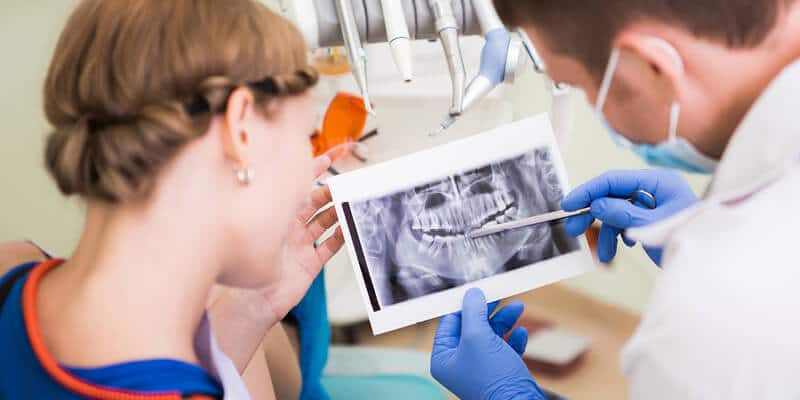
Comparison of radiation levels
In contrast to the concerns of some patients, it is important to note that the radiation level to which they are exposed by contemporary CT devices is low and does not endanger those undergoing the imaging in any way.
In a panoramic x-ray as well, the radiation level is controlled, and in both cases the devices are operated with a permit and license from the Ministry of Health.
How long does it take to take a panoramic x-ray?
A panoramic x-ray takes about five minutes to complete, after which you will have to wait, depending on the workload at the imaging center, for the images to be developed.
A CT image takes about ten seconds, meaning that the exposure to radiation decreases significantly. X-ray centers usually provide the image within several business days.
However, there are dental implant clinics in which the CT device is an integral part of the clinic. In such clinics, the dentist can assess and receive an image of the state of the patient’s teeth immediately.
The bottom line
A CT scan is the imaging test most recommended before dental implants, because it can provide the dentist with the broadest and most exact image of the oral structure.
As we noted above, at advanced dental implantation clinics, it is no longer necessary to go to a separate imaging center, book an appointment, have an x-ray taken and return to the dentist after receiving the image.
The CT machine is integrated into the clinic and allows the dentist to take x-rays of the patient on-site and provide the patient with an estimate for a treatment plan at the initial assessment stage.
If necessary, the dentist can perform CT imaging during the implantation as well, to track the patient’s progress. The availability of a CT device at the clinic makes life easier for both the dentist and the patient.
How long do dental implants last? 5 years after receiving dental implants
There is a public perception that dental implants last just 5 years. This perception is wrong and deters many people from receiving the treatment that they need. So how long do dental implants last?
Dental implants have changed the lives of many people who have lost teeth for various reasons and have a second chance to restore a normal routine in relation to eating and speaking. It is possible to enjoy the advantages of the dental implant for many years by carefully maintaining the new tooth, to keep it clean and healthy in the long term.
Why must the implant be maintained?
Irrespective of the obvious reason – not wanting to lose it all, after investing so much time and money to get a new tooth – an implant is much more sensitive than a natural tooth. This is due to the fact that the base of an implant is very different than the base of a natural tooth, which benefits from certain protections. This makes the implant more vulnerable to the development of gingivitis (inflammation of the gums). If the inflammation spreads and gets out of control, it may result in the loss of the implant, which nobody is interested in experiencing.
How to maintain a dental implant in the long term?
Maintenance of a dental implant is divided into two key periods: maintenance immediately after installation of the implant, and long-term maintenance for years ahead. In this article, we explain how to maintain it for the long term, i.e., from the time the dentist confirms that the implant has successfully integrated.
Maintaining a dental implant for the long term can be divided into three key aspects:
- Adherence to daily hygiene – Make sure to brush your teeth twice a day, and incorporate additional means into the process besides the toothbrush, such as the use of mouthwash and dental floss. When brushing, pay special attention to cleaning the transition between the edge of the gums and the crown, because that is where potential inflammation may start.
- Periodic visits to the dental hygienist – To make the cleaning of the area more efficient, in addition to daily cleaning at home, it is strongly recommended to refer to a hygienist for treatment every 3-4 months. The hygienist has the knowledge and tools necessary to remove plaque and tartar from areas that are difficult to reach on your own. This is also an opportunity to check whether your efforts at home have paid off – if serious bleeding occurs during the treatment, it is a sign that cleaning is insufficiently effective. In such a case, ask the dental hygienist to guide you on how to improve.
- A periodic examination by the dentist – It is recommended to visit a dentist every 6 to 12 months to make sure that the implant, in particular, is healthy, and to verify the health of the teeth and mouth in general.
- A healthy lifestyle – If you want to increase the implant’s chances of survival, this is the time to adopt a healthy lifestyle and quit smoking. The reason for this is that nicotine weakens the healing ability of the gums, which makes it easier for inflammation to develop and endangers the health of the implant.
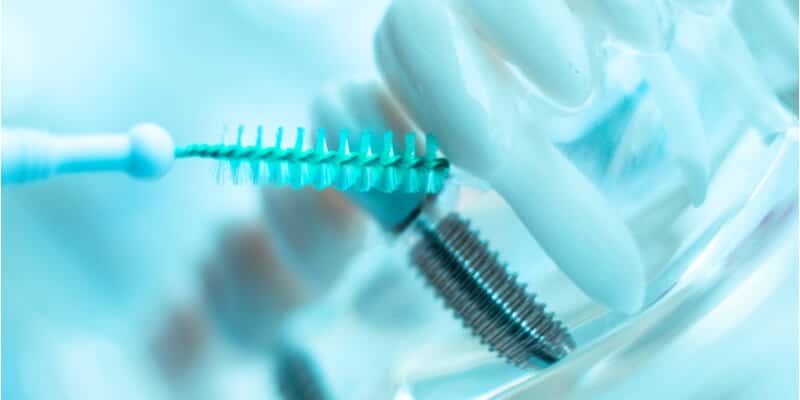
How long do dental implants last?
Some dental implants, 3-5 percent, are rejected by the body within up to half a year after implantation due to a range of causes. If the implant is successfully integrated and is carefully maintained, you can enjoy it for many, many years. While there are cases in which after 7-10 years implants must be renewed, there are patients who had implants installed 15-20 years ago that are holding up very well. There are many factors that affect long-term implant survival, such as correct maintenance of the mouth, maintaining a healthy lifestyle, and even genetics.
At Dr. Yigal Balan’s clinic, patients enjoy a warranty on their implant even after the implantation process has been completed. For further information about the warranty, contact the clinic.
Following these instructions carefully will ensure that your dental implants will continue to function well in the long term during chewing and speaking; and no less importantly, will allow you to have a beautiful, aesthetic smile. Have questions about the maintenance of dental implants or the warranty provided for the treatment? You are invited to consult the dental team at Dr. Yigal Balan’s Clinic.
Dental implantation is a very common surgical procedure that has very good chances of success, but nonetheless, a small percentage of implants fail and the implant is rejected by the body. When an implant fails, there are warning signs, that should be noted as early as possible. If signs of dental implant rejection have started to develop, refer to a dentist urgently.
Why are dental implants rejected?
The dental implantation process involves the insertion of a foreign object into the soft tissue of the gums. There are many reasons that an implant may be rejected, but the most common is the development of inflammation in the area operated on, which interferes with the integration of the implant. The inflammation may develop because of poor oral hygiene or an infection that has penetrated during the implantation process itself.
Additional factors that may result in rejection of a dental implant include dramatic depletion of the jawbone in the gums and extrinsic factors that slow down the natural recovery rate of the gums, such as smoking cigarettes.
Identifying signs of dental implant rejection
Signs of dental implant rejection are divided into two categories – visible symptoms and symptoms that are not readily observable.
The visible symptoms appear up to 45 days after tooth implantation and are referred to in medical jargon as early implant failure. Signs of dental implant rejection that can be identified with the naked eye include:
- Swelling in the area operated on for an extended period of time.
- A sensation of pain, upon and/or without touch.
- Instability or movement of the implant.
- Visible purulent discharge.
On the other hand, there are also hidden symptoms of dental implant rejection, known in medical jargon as late implant failure. In effect, this is an inflammation that develops very slowly – over the course of 5 to 10 years. It is likely that a patient will miss the early symptoms because they are similar to those of ordinary gum disease, i.e., mild bleeding and red gums. The dentist has the tools and skills necessary to diagnose the disorder, so it is important to make sure to come for a checkup at the clinic at the necessary frequency.

Who tends to have signs of dental implant rejection
The chances of dental implant rejection may increase in accordance with the patient’s medical history and life habits. The conditions affecting these chances include:
- Patients with unbalanced diabetes.
- Patients with heart disease.
- Patients with metabolic diseases.
- Patients with systemic diseases.
- Patients with improperly treated periodontal disease.
- Smokers.
It is important to note that even if there are patients who are part of the populations mentioned above, their condition does not prevent them from receiving dental implants, as long as their illness is under control. In any case, the dentist must be consulted on how to act, and he will brief the patient regarding how to maximize the odds of success of the integration of the new implant in accordance with his condition.
I’ve discovered signs of dental implant rejection – what should I do?
If the inflammation has been diagnosed at an early stage, the dentist will try to stop its continued development and save the implant by thoroughly cleaning and disinfecting the inflamed area. He may also prescribe antibiotics, at his discretion. In the case of a full jaw implant rather than a sole implant, the patient will be quickly referred to a clinic for a CT scan to precisely identify the cause of the inflammation and determine whether it is a case of implant rejection. If all attempts to resolve the inflammation fail, there is no choice but to replace the entire implant set.
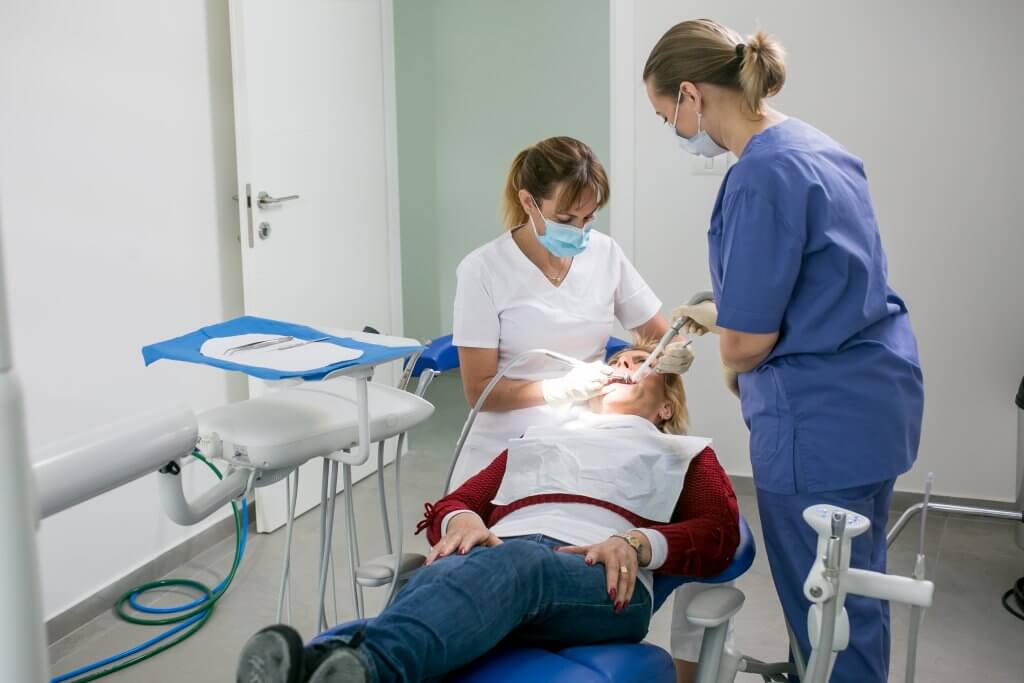
המטופלת הינה שחקנית
Adherence to oral hygiene as preventive care
The best treatment that can prevent the signs of dental implant rejection from the outset is adhering to good oral hygiene over time: making sure to brush one’s teeth twice a day, morning and evening, and use accessories such as dental floss and mouthwash. In addition, do not forget to visit the oral hygienist twice a year for thorough cleaning and an annual checkup by the dentist to identify disorders early, before they worsen.
have more questions about identifying signs of dental implant rejection? Dr. Yigal Balan’s skilled, professional dental staff will be happy to answer any questions.
Many patients may think that after receiving dental implants, they can go back to their normal routines within just a few days, but in practice, this is not completely accurate. In order for the implant to be integrated successfully and effectively and to avoid unnecessary complications, the patient must exercise care with his new teeth in the immediate term after the treatment.
in this article, we explain exactly how to do this.
Eating and drinking after receiving dental implants
Immediately after receiving the implants, you should refrain from drinking and eating for about two hours after completion of the treatment. Usually, this is also the time that it takes for the anesthetic to wear off. Because there is no need to stay under observation after the procedure, you can wait in the comfort of your home during this time.
Then, for the next several days, it is recommended to avoid eating any hard foods that apply pressure to the teeth and jaw, such as bread, apples, etc. However, consuming soft foods such as cream cheese and dairy delicacies is permitted. In addition, during the first 24 hours after the operation, hot drinks must be avoided completely.
Tooth brushing and oral hygiene after receiving dental implants
It is possible to resume tooth brushing just one day after receiving the implants, but during the first few days after the treatment, the area operated on should not be brushed. The reason is that the area is tender and the stitches may open up. Only after the stitches have been removed can the area be brushed, using gentle movements and a soft toothbrush.
For long-term maintenance of the implanted teeth, you must adhere to good oral hygiene, including the use of additional accessories besides a toothbrush, such as dental floss, mouthwash and toothpicks designed for this purpose.
Side effects and complications
Usually, there are side effects after receiving dental implants. These effects may appear in the form of bleeding, pain, difficulty closing and opening the mouth and bruising. Also, swelling is likely to occur and intensify until it reaches a peak two to three days after the procedure, but will resolve over time. To cope with the side effects of pain that accompany the period after implantation, it’s recommended to take the painkillers that you received in accordance with the dentist’s instructions.
It is important to know that after receiving the implants, complications that necessitate a return to the dental clinic as soon as possible may occur. One of them is the development of an infection. The symptoms characteristic of infection include local warmth, generalized fever, discharge of pus from the area of the surgery and/or swelling and pain that does not resolve within one week of the surgery.
Another possible complication is a sensory disorder in the area of the lips and chin. If the numbness caused by the local anesthesia does not wear off within a few hours of the surgery, or if later in the recovery period, the lips or chin become numb (in the case of lower jaw implants), you must immediately return to the attending dentist for examination.
Additional recommendations for the first two weeks
There are a number of additional recommendations that you should take note of in order to make the recovery process more effective in the first two weeks after dental implant treatment.
The first recommendation, primarily for athletic patients and those who engage in manual labor and carry heavy loads, is to avoid physical exertion altogether. This recommendation is based on the fact that physical activity leads to a rise in heart rate and blood pressure, which may increase swelling and sometimes cause unnecessary bleeding. Avoiding physical exertion depends on the complexity of the surgery, so it is recommended to consult the dentist regarding this matter. In any case, after two weeks it is possible to gradually resume physical activity.
Another recommendation is to completely abstain from smoking cigarettes and drinking alcohol, as these two habits significantly inhibit the recovery process. Cigarette and alcohol consumption may be resumed after two weeks.
Finally, don’t forget to come for a checkup by the dentist once every six months for monitoring of the implants. In the framework of the checkup, the dentist will check the condition of the implants, the health of the adjacent tissues, and whether there are other disorders in the mouth area that require treatment. These checkups are important because the development of periodontal disease in the tissue surrounding the implant may result in implant failure, just like a periodontal disease around natural teeth. In addition, it is important to visit an oral hygienist twice to four times a year for the removal of tartar and plaque, as necessary.
Implant uncovering – the full guide for the patient:
Dental implantation is the ultimate solution for people whose dental condition has reached the point of no return, requiring comprehensive prosthetic care. It is usually performed in a process consisting of three main stages: placement of the implants, uncovering of the implants, and installation of permanent teeth.
In this article, we focus on the second stage, uncovering the implants. We will explain how this is performed and try to make the process understandable so that you know exactly what is going to happen.
A quick note – implant installation and post-procedure rest:
Before we describe the implant uncovering process, we will briefly review what happens just before.
The implant is effectively designed to replace the root of the damaged or missing teeth. This is true both in the case of multiple teeth and in the case of a single tooth.
In the first stage, in which the implants are introduced, the dentist will screw the implant, in most cases made of titanium, into the jawbone, to form a strong base – a strong root onto which the crown will eventually be fitted.
After this, the main thing is to wait.
The waiting period, ranging from three to six months, allows the implant time to penetrate into and integrate with the jawbone.
In addition, the whole area heals and recovers, making it possible to proceed to the next stage – installing permanent teeth – under optimal conditions.
Meanwhile, the patient is given temporary teeth, that function well, and resumes his full routine.

The implant uncovering stage:
When the recovery stage ends, the patient visits the dentist for implant uncovering.
The aim of uncovering is to expose the implant above the gums. An implant that is well integrated in the bone may be covered by gum tissue.
The dentist makes an incision in the gum tissue, uncovering the implant, or makes a small perforation through which the implant protrudes from the gums, ready for installation of the anchors on which the crowns, i.e., the new temporary teeth, are fitted.
After the implants have been uncovered, a healing abutment is fitted to the implant, which helps the gums heal and allows them to heal without covering the implant.
When the healing abutment has been fitted to the implant in an optimal manner, the dentist will put the temporary teeth back in place.
Special cases – when implant uptake has not occurred
Essentially, the process of implant integration into the bone, the recovery time, and the total time for oral rehabilitation, depend on multiple factors – genetic, health-related, and others.
Therefore, there is no single time frame or protocol for all patients.
Each case requires specific tailoring and personalized treatment. In certain cases, the implants do not undergo uptake in the first attempt and are rejected due to inflammation or infection.
In such a situation, the dentist will extract the implant from the bone, allow healing, and then attempt to implant it again, because there is a better chance of implantation to succeed in healthy bone.
Of course, repeat rehabilitation and implantation may also result in additional costs, in accordance with the initial agreement with the clinic.
And what’s the next stage? New teeth!
If everything works out as planned, a few weeks after implant uncovering, the dentist will install the permanent teeth on the implants.
At times, further fitting of the teeth is necessary to make sure that they are exactly the right size, shape, and color for the patient’s mouth. The final fitting process varies from one patient to the next, and although it may sometimes take time, it is worth being patient to achieve a perfect set of teeth in the end, in terms of appearance, health and comfort.
Dr. Balan’s chain of clinics offers you dental implants that save you time and pain, reduce the trauma that the mouth has to go through and help you to get back to your routine easily and quickly.
How much do full-mouth dental implants cost?
In recent years, one can see many clinics that announce online “dental implants at attractive prices” and advertisements promising “dental implants at a ridiculously low price”. Is this the truth, or just a marketing gimmick? And if so, how much do dental implants cost, and according to what is the price determined?
The cost of dental implants
People looking for good prices and low costs for dental implants do not understand how the price per implantation is determined, and because it is a major expense, they are interested in making sure that they are getting the best price.
But… before we start comparing the price quotes we receive, we should be aware of the following:
Dental implantation must be an individualized treatment tailored to each patient, rather than an identical treatment administered to all because each person has a different jaw, teeth in a different state of health, a different jawbone strength, and a different dental and medical history. Therefore, it would not be correct to compare the quotes I received from me and my neighbor (our teeth and jaws are in different conditions). Second, we must examine the treatment plan received and check that it refers to our unique diagnosed dental condition and provides the best solution for it, taking into consideration our specific disorders.
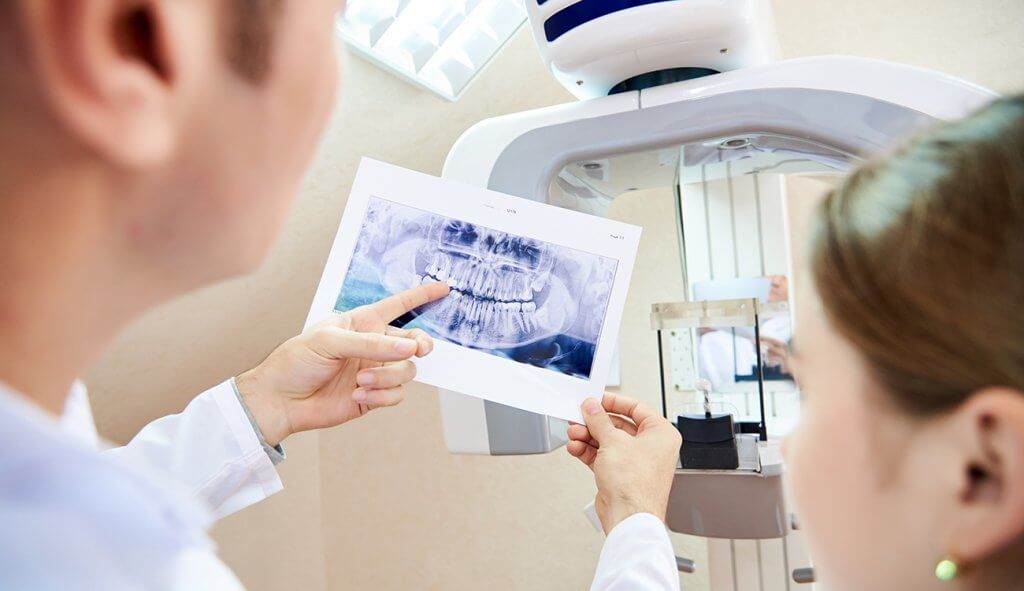
In addition, not all dentists are equal. The more experience a dentist has in the dental implantation field and the better his reputation, including proven successes over years, the more likely he is to demand a price that corresponds with his medical standard. When you choose a dentist to perform implantation, it is very important for you to check the following, in order to understand the price of the treatment as well as what you get for each price.
The dentist’s experience and reputation
It is important to verify the experience of the dentist you choose. Usually, the greater his experience and skill, the higher his fee will be. The most experienced dentists are not just those with an impressive resume of studies and courses in Israel and overseas, but primarily those who have cared for a large range of cases and are able to provide a solution to rare cases such as an extreme shortage of jawbone, osteoporosis or severe dental anxiety. This skill will ensure that even in the case of complications or difficulties you will be given the best dental solution.
Dental Equipment and materials
Dental equipment costs a great deal but allows improved treatment precision and more aesthetic and stable results to be achieved. A clinic that has a CT machine and does not subcontract imaging, has its own dental laboratory and does not use a general laboratory, and uses advanced technologies such as CAD/CAM and 3D printing of crowns will be more expensive, but will also ensure a much higher quality treatment that will last longer, with better quality aesthetic results. In addition, the use of certain materials such as zirconia crowns and of course modern implant types increases the cost of the implantation, but again, ensures a higher quality of treatment.
Different treatment methods
It is important to understand the implantation methods that the dentist uses and the prices that he demands for specific treatments. When more complex treatments are performed, such as zygomatic implantation or basal implantation, which require unique skills and designated dental implants, the prices for implantation vary accordingly.
The warranty – what does it include, and for how long?
You should always make sure that the dentist performing the implantation guarantees responsibility for the treatment and materials he uses for building the teeth, for as many years as possible. Low-cost dental implantation without a full warranty for several years may result in a series of additional treatments that will eventually increase the total cost. This exceeds a single treatment performed by professional hands that provide the patient with a warranty and peace of mind.
Reliability and recommendations
It must be verified that the dentist is a specialist with a license to practice dentistry, whose clinic engages primarily in oral and maxillofacial rehabilitation procedures. To strengthen the dentist’s credibility, it is important not to simply be content with his own testimony about himself, but to also ask for a list of patients for whom he has performed dental implants, both recently and in the past, who recommend him. A conversation with two or three patients who have undergone dental treatments will help you understand how much dental implants cost at the health and service level, rather than just in financial terms.
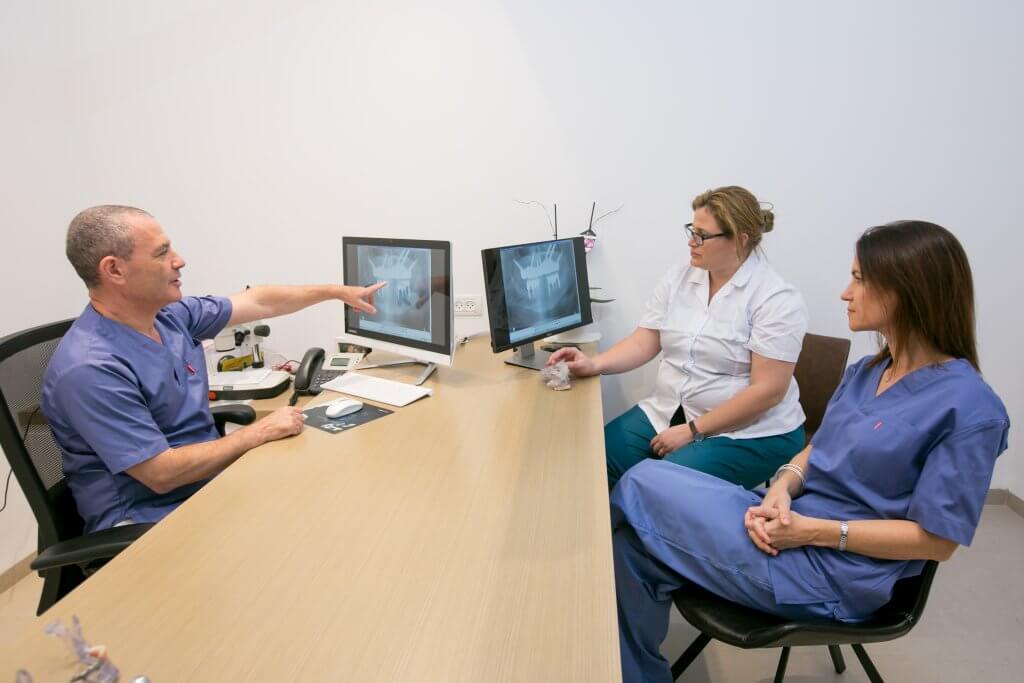
How much does a treatment plan cost?
Because every patient has a different jaw structure, a different health condition, and a different medical history, the dentist should tailor a unique treatment plan to each patient and not work with the same plan for all treatments. Therefore, when comparing the prices of dental implants, it is important to examine the specifications of the plan, and not just the bottom line stating the price, as the price may differ due to a different treatment plan.
The price of dental implantation in each mouth – the customer’s choice
After choosing the dentist, it is important to know that you can significantly influence everything related to the cost of dental implants. You can choose implantation that takes a long time and costs less money, but that requires you to lose workdays, yielding the same outcome. In addition, you can choose a dentist with little experience, more basic equipment, and more. Despite these possibilities, most people prefer to go to a highly experienced specialist who promises the best results, alongside a payment plan that meets their payment ability.
How much do dental implants at Dr. Balan’s Clinic cost? Contact us and one of our agents will get back to you soon